A Comprehensive Guide to Translating Lottery Result Announcements into English
In the realm of international communication, the translation of lottery result announcements holds significant importance. These announcements are not only a means of conveying crucial information to participants but also serve as a reflection of the transparency and credibility of the lottery organization. Accurate translation ensures that the results are understood correctly across different languages and cultures, fostering trust and engagement among a diverse audience. This article aims to provide a detailed guide on translating lottery result announcements into English, covering essential aspects such as terminology, formatting, cultural considerations, and common pitfalls.
Understanding the Structure of Lottery Result Announcements
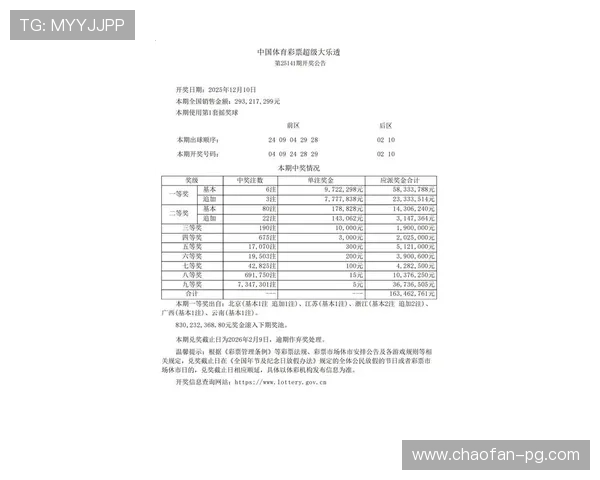
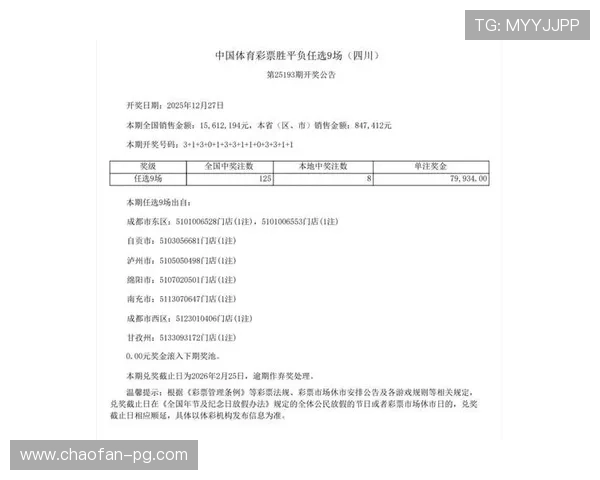
Before delving into translation techniques, it is vital to understand the typical structure of lottery result announcements. Usually, these announcements include several key components:
- Title and Date: Clearly indicating the lottery name and the date of the draw.
- Winning Numbers: Listing the numbers drawn, often in a specific format.
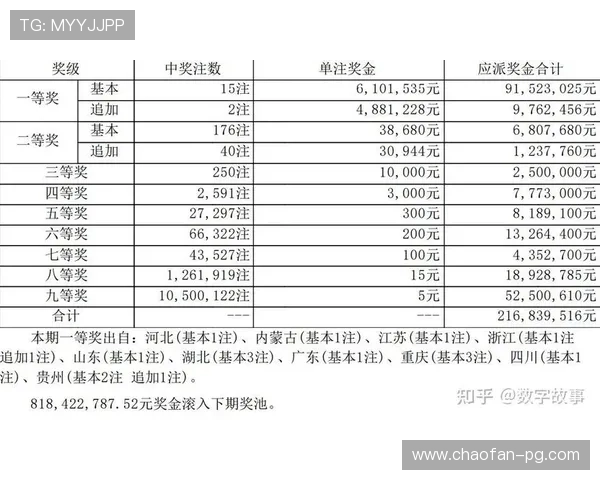
- Prize Breakdown: Detailing the different prize tiers and the number of winners in each category.
- Prize Amounts: Specifying the monetary value associated with each prize tier.
- Additional Information: Instructions for claiming prizes, contact details, and legal disclaimers.
Recognizing these components helps translators maintain consistency and clarity throughout the translation process. Each section requires careful attention to preserve the original meaning and ensure the information is accessible to an English-speaking audience.
Key Terminology in Lottery Result Announcements
Accurate translation hinges on understanding and correctly rendering specialized terminology. Here are some common terms and their typical English equivalents:
- Draw: The lottery event where winning numbers are selected.
- Winning Numbers: The numbers drawn in the lottery.
- Prize Tier/Category: The classification of prizes based on matching numbers.
- Jackpot: The top prize, often the largest sum.
- Consolation Prizes: Smaller prizes awarded for partial matches.
- Claim Period: The time frame within which winners can claim their prizes.
- Ticket Number: The unique identifier for each purchased ticket.
- Winning Ticket: The ticket that matches the winning numbers.
- Odds of Winning: The probability of winning in each category.
- Draw Date: The date on which the lottery draw took place.
Ensuring the correct translation of these terms is crucial for clarity. When dealing with terms that may have multiple equivalents, it is advisable to refer to official documents or previous translations to maintain consistency.
Formatting and Presentation in English Translations
The presentation of lottery results should mirror the clarity and professionalism of the original announcement. Use clear headings, bullet points, and tables超凡国际pg where appropriate to enhance readability. For example, a prize breakdown can be effectively presented in a table format:
| Prize Tier | Number of Winners | Prize Amount | Total Payout |
|---|---|---|---|
| Jackpot | 1 | $1,000,000 | $1,000,000 |
| Second Prize | 10 | $10,000 | $100,000 |
This format allows readers to quickly grasp the key information. Additionally, date formats should follow the conventions of the target audience—e.g., "March 15, 2024" in American English or "15 March 2024" in British English.
Cultural and Legal Considerations
When translating lottery results, cultural sensitivities and legal requirements must be taken into account. For instance, certain terms or phrases may have different connotations or legal implications in different regions. It is essential to adhere to the official language used by the lottery organization and ensure compliance with local regulations.
Moreover, the tone of the announcement should be formal, transparent, and encouraging. Avoid colloquialisms or idiomatic expressions that may not translate well. If the original announcement includes disclaimers or legal notices, these should be translated accurately to preserve their legal validity.
Common Challenges and How to Address Them
Translating lottery results presents unique challenges, such as dealing with numerical data, abbreviations, and formatting inconsistencies. To overcome these, consider the following tips:
- Numerical Data: Always verify the correctness of numbers and their formats. Use appropriate separators and currency symbols.
- Abbreviations: Expand abbreviations where necessary for clarity, especially if they are not universally recognized.
- Consistency: Maintain uniform terminology throughout the translation to avoid confusion.
- Contextual Clarity: Provide explanations for terms that may be unfamiliar to international audiences, such as "bonus numbers" or "special draws."
- Proofreading: Double-check all numerical and textual data for accuracy before finalizing the translation.
Tools and Resources for Effective Translation
Utilizing specialized tools can enhance the accuracy and efficiency of translating lottery result announcements. These include:
- Glossaries and Term Banks: Maintain a database of standard terminology related to lotteries.
- Translation Memory Software: Use CAT (Computer-Assisted Translation) tools to ensure consistency across documents.
- Official Documentation: Refer to the official language used by the lottery organization.
- Consultation with Experts: When in doubt, consult with professionals familiar with lottery terminology and legal language.
Final Tips for Translators
- Always aim for clarity and precision.
- Respect the tone and style of the original announcement.
- Be aware of regional language differences and adapt accordingly.
- Keep updated with changes in lottery regulations and terminology.
- Test your translations with native speakers or subject matter experts to ensure comprehensibility.
Frequently Asked Questions (FAQs)
1. Why is accurate translation of lottery results important?
Accurate translation ensures that winners understand their prizes, maintains transparency, and upholds the credibility of the lottery organization. Misinterpretations can lead to disputes or loss of trust.
2. How should I handle numerical data in translations?
Always verify the numbers for accuracy. Use appropriate formatting, such as commas or periods as thousand separators, and ensure currency symbols are correct and placed according to regional standards.
3. Are there specific legal considerations when translating lottery results?
Yes. Legal disclaimers, terms of participation, and prize claim instructions must be translated precisely to comply with local laws and regulations. Misinterpretation can have legal consequences.
4. What are common pitfalls in translating lottery announcements?
Common pitfalls include mistranslation of key terms, inconsistent terminology, incorrect formatting, and cultural insensitivity. Always cross-reference with official sources.
5. Should I localize the date and currency formats?
Yes. Adapt date formats and currency symbols to match the conventions of the target audience to improve clarity and user experience.
6. How can I ensure consistency across multiple translations?
Use translation memory tools and maintain a glossary of standard terms. Consistent terminology enhances professionalism and reduces errors.
7. Is it necessary to include explanations for lottery-specific terms?
If the target audience is unfamiliar with certain terms, providing brief explanations can improve understanding. However, official announcements often assume some familiarity.
8. What resources are recommended for translating lottery terminology?
Consult official documents, industry glossaries, and experienced professionals. Online translation communities and specialized dictionaries can also be helpful.
In conclusion, translating lottery result announcements into English requires meticulous attention to detail, cultural awareness, and a solid understanding of lottery terminology and formatting standards. By following the guidelines outlined above, translators can produce clear, accurate, and professional translations that serve the needs of international audiences and uphold the integrity of the lottery organization.